
BJJ Classes Are Usually Coed
Most Brazilian jiu jitsu classes are coed. Men and women typically learn the same techniques, drill together, and may roll with each other during live training.
For many new students, that is completely normal once they have been in class for a while, but it can feel unfamiliar at first. The important thing is that everyone trains respectfully and nobody is pressured into a situation that makes them uncomfortable.
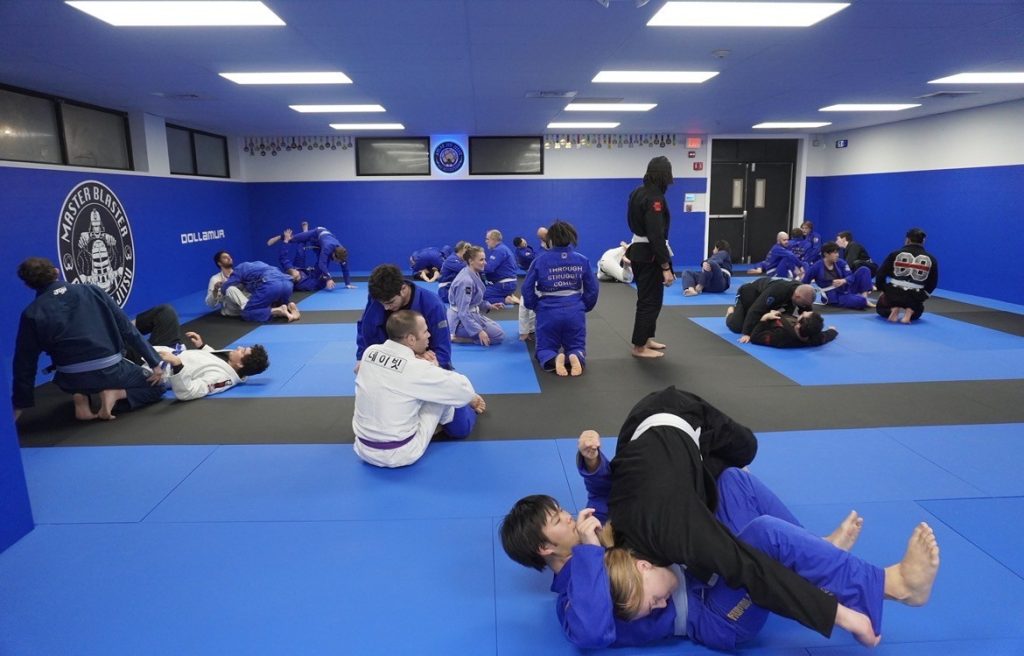
For Men: Match Your Partner's Pace
When training with a female partner, do not assume that your job is to overpower her with strength, size, or body weight.
Your default should be to match her energy and pace. If she wants a hard, competitive round and is clearly pushing the pace, you can respond appropriately. But if you have a significant size or strength advantage, simply using that advantage to overwhelm your partner does not make for particularly useful training.
This does not mean treating female training partners as fragile or refusing to give them realistic resistance. It means being aware of the physical differences between training partners and adjusting accordingly, just as you should when rolling with someone much smaller, older, less experienced, or recovering from an injury.
For Women: Expect That You May Train With Men
Most BJJ academies have fewer female students than male students. Depending on the size of the school and the class you attend, there may be several women available to train with, only one or two, or occasionally none besides you.
Some women choose to primarily or exclusively roll with other women when possible. Others regularly train with both men and women. Coed drilling and rolling are very common in BJJ, so you should expect that male training partners may ask you to drill or roll.
That does not mean you are obligated to accept.
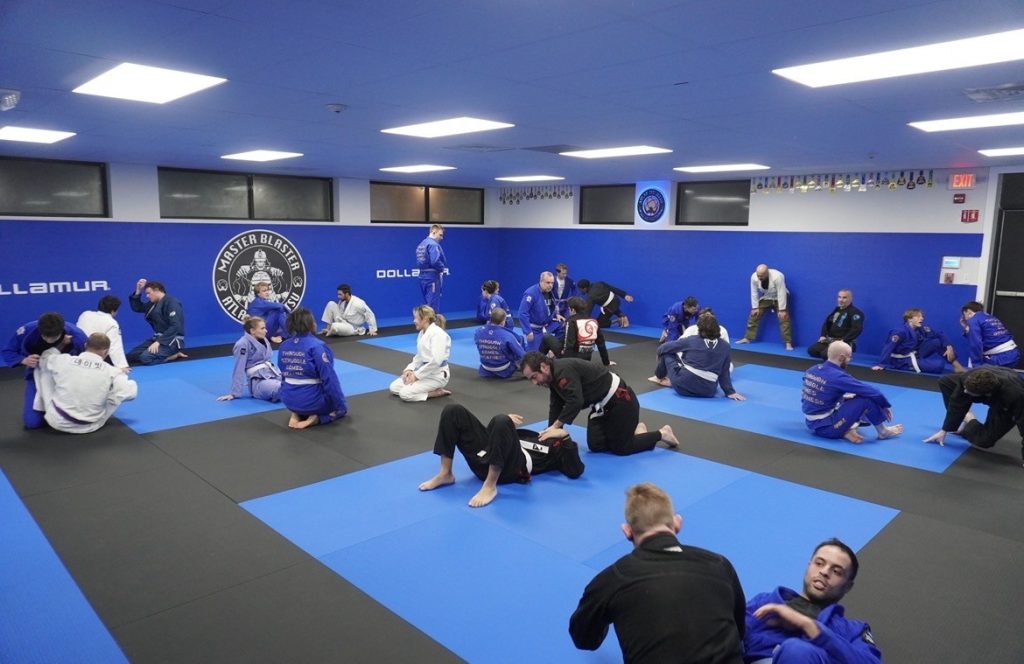
You Can Always Say No to a Roll
Every student has the right to choose who they train with.
You can politely decline a roll with anyone, at any time, for any reason. You do not owe anyone an explanation.
If someone’s size makes you uncomfortable, if they are training more aggressively than you want, if you are dealing with an injury, if you simply do not feel comfortable training with that person, or if you would prefer a same-sex training partner, it is perfectly acceptable to say, “No thank you.”
The same applies to men and women alike.
If you have a particular comfort level around coed training, tell the instructor. A good instructor can help pair you with appropriate partners and make sure you are able to participate without feeling pressured.
Training requires trust. Choosing a training partner should always be voluntary.